We're Back to Stocking Lumber — Browse Our Growing In-Stock Catalog Shop Now →
Home Browse Full Catalog
By Species
By Project
By Profile
Pricing
About
Contact (828) 654-9224
Home / Profiles / Overlap Siding

Overlap Siding Profiles

Overlap siding profiles are designed for horizontal exterior installation where each course of boards overlaps the one below it. The overlap sheds water away from the wall cavity and creates strong horizontal shadow lines that define traditional American residential architecture.

Overlap siding profile detail

Channel Rustic

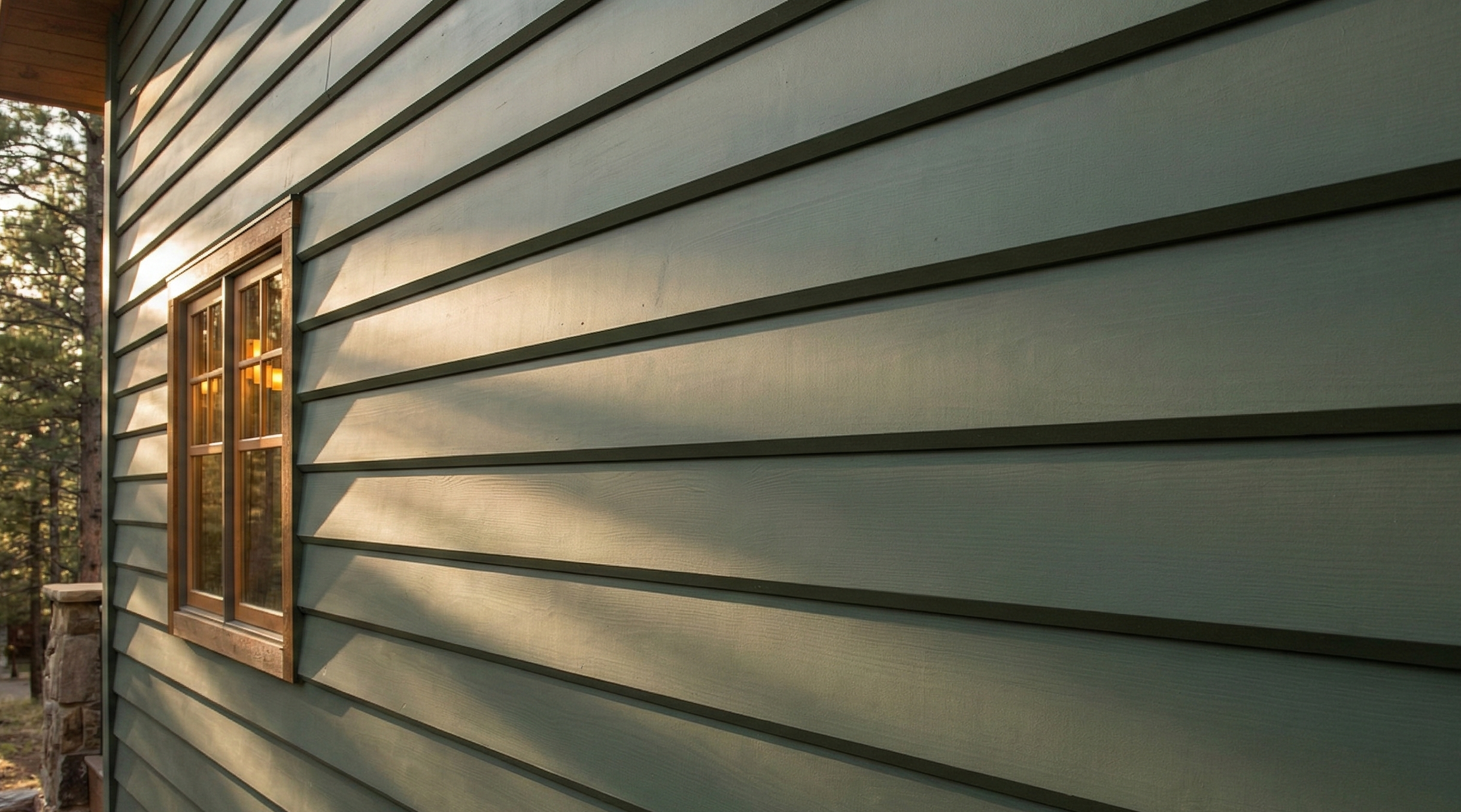
Channel rustic (sometimes called "reverse board-and-batten" or "drop siding") uses a rabbeted overlap joint that creates a deep, rectangular channel at each course line. The channel casts a pronounced shadow that gives the wall a bold, textured appearance. Unlike bevel siding, channel rustic boards lie flat against the wall, which simplifies trim details at corners and around windows.

Channel rustic is a popular choice for contemporary mountain homes, lakeside cabins, and any project where a strong horizontal expression is desired without the formal look of clapboard. Available in 1x6, 1x8, and 1x10 in Western Red Cedar, Eastern White Pine, and Cypress. Important: Due to the rabbeted overlap, the exposed face width is significantly less than nominal — a 1x8 yields approximately 5.0"–6.25" of visible face (not 7.25"). Always calculate square footage using the exposed face width.

Plain Bevel / Clapboard

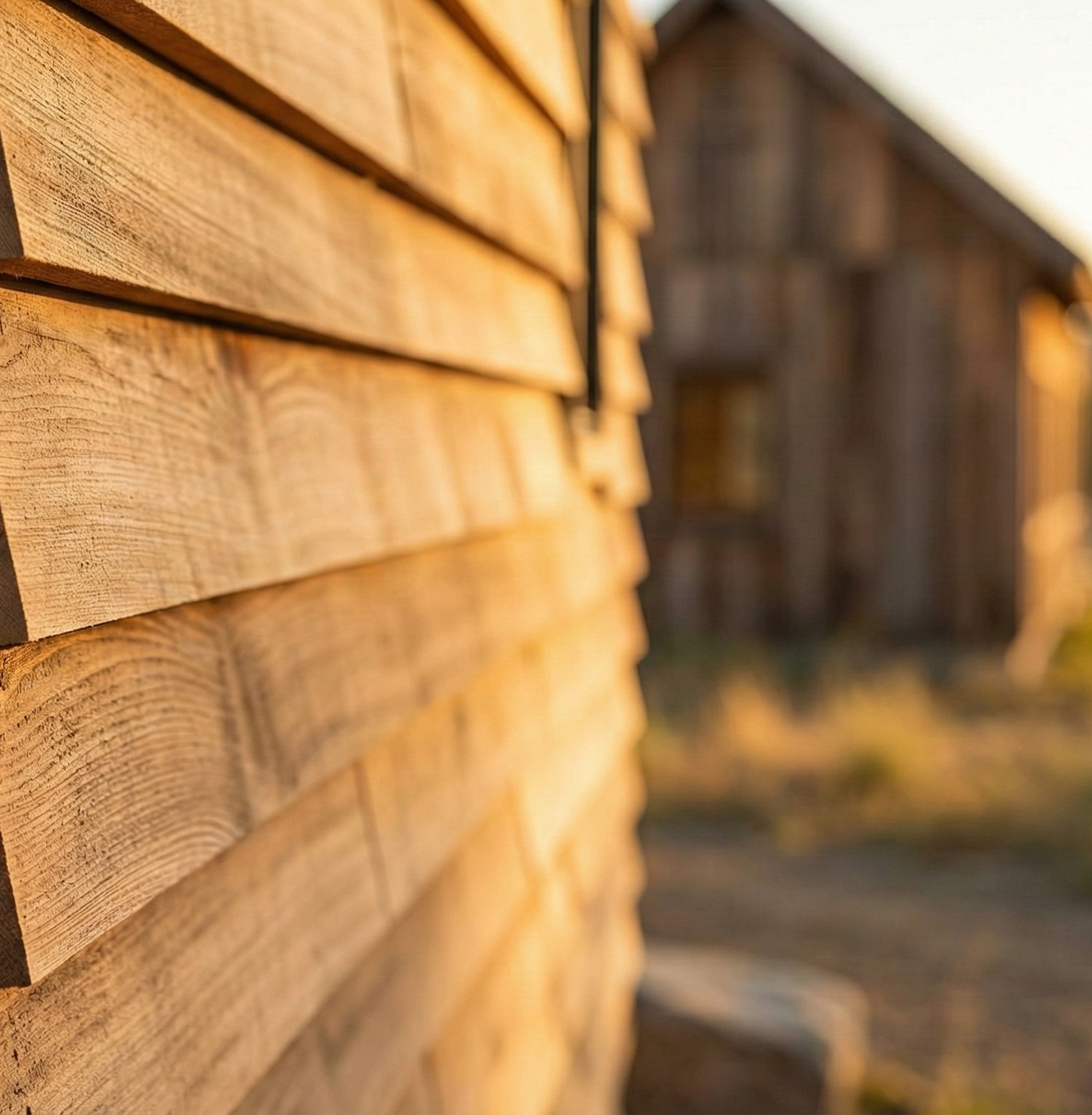
Plain bevel siding (clapboard) is the quintessential New England siding profile. Each board is sawn with a taper—thick at the bottom edge (typically 3/8" to 1/2") and thin at the top (as little as 3/16"). Boards are installed horizontally with the thick bottom edge overlapping the thin top of the course below. The taper creates a subtle shadow line and a flat, clean wall plane.

Bevel siding is traditionally available in 1x6 and 1x8 widths. A nominal 1x8 bevel board provides approximately 6.25 inches of actual weather exposure per course when installed with standard overlap. Common species include Eastern White Pine (paintable), Western Red Cedar (natural or stained), and Cypress (long-lasting exterior heartwood). This is the profile to choose when matching historic homes or achieving a classic painted clapboard aesthetic.

True Shiplap

True shiplap siding uses a rabbeted joint on both the top and bottom edges of each board. When assembled, the rabbets overlap to create a flush surface with a tight joint and zero intentional gap. This is mechanically distinct from Nickel Gap — if you want the modern, defined shadow-line aesthetic, you must order Nickel Gap specifically. True shiplap was historically used as a practical draft-seal for barns and sheds. Any resulting gaps will only occur accidentally due to natural wood shrinkage over time. The result is a smooth wall surface with faint joint lines — almost like wide plank paneling but with the weather-shedding benefit of an overlap joint.

True shiplap is available in 1x6, 1x8, and 1x10. It works for both exterior siding and interior accent walls. Species include pine, cedar, and cypress.

Dutch Lap / German Siding

Dutch lap (also called German siding) is a variation of bevel siding with a concave scoop milled into the face of each board. The scoop creates a deeper shadow than plain bevel and gives the wall a more sculpted, dimensional appearance. Dutch lap was widely used on Victorian and Colonial Revival homes and remains a popular choice for projects seeking a distinguished, traditional look.

The profile is typically milled in 1x6 and 1x8 widths. The concave face provides approximately 4-1/2" to 6" of weather exposure per course. Available in Eastern White Pine, Western Red Cedar, and primed finger-joint pine for paint-grade applications.

Volumetric Estimating Guide

The most common siding estimation error is calculating material quantities using the nominal board width. Always divide your total square footage by the exposed face width (not the nominal width), then add a mandatory 10% waste factor.

ProfileNominalApproximate Exposed Face
Channel Rustic1x8~5.0"–6.25"
Channel Rustic1x10~7.0"–8.25"
Plain Bevel1x8~6.25" weather exposure
Dutch Lap1x8~4.5"–6.0" weather exposure
True Shiplap1x8~6.5"–7.0"

Choosing an Overlap Profile

All overlap siding profiles shed water effectively, so the choice comes down to aesthetics and architectural style. Channel rustic is the most casual and contemporary. Plain bevel is classic and formal. True shiplap is clean and flush (no intentional gap). Dutch lap is ornamental and traditional. Regardless of profile, all overlap siding should be installed over a weather-resistive barrier (WRB) and back-primed before installation to prevent moisture intrusion from the back face.