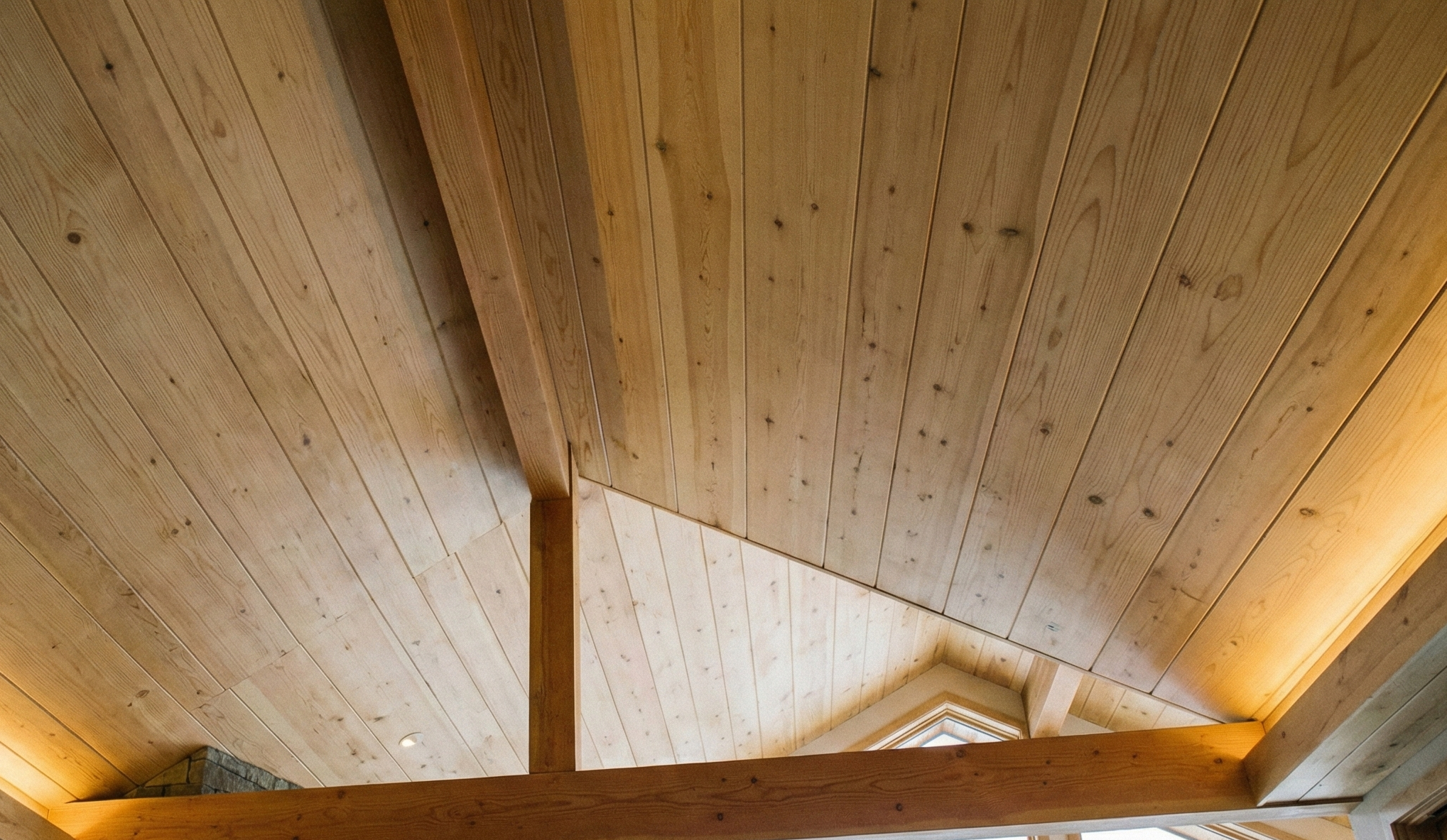
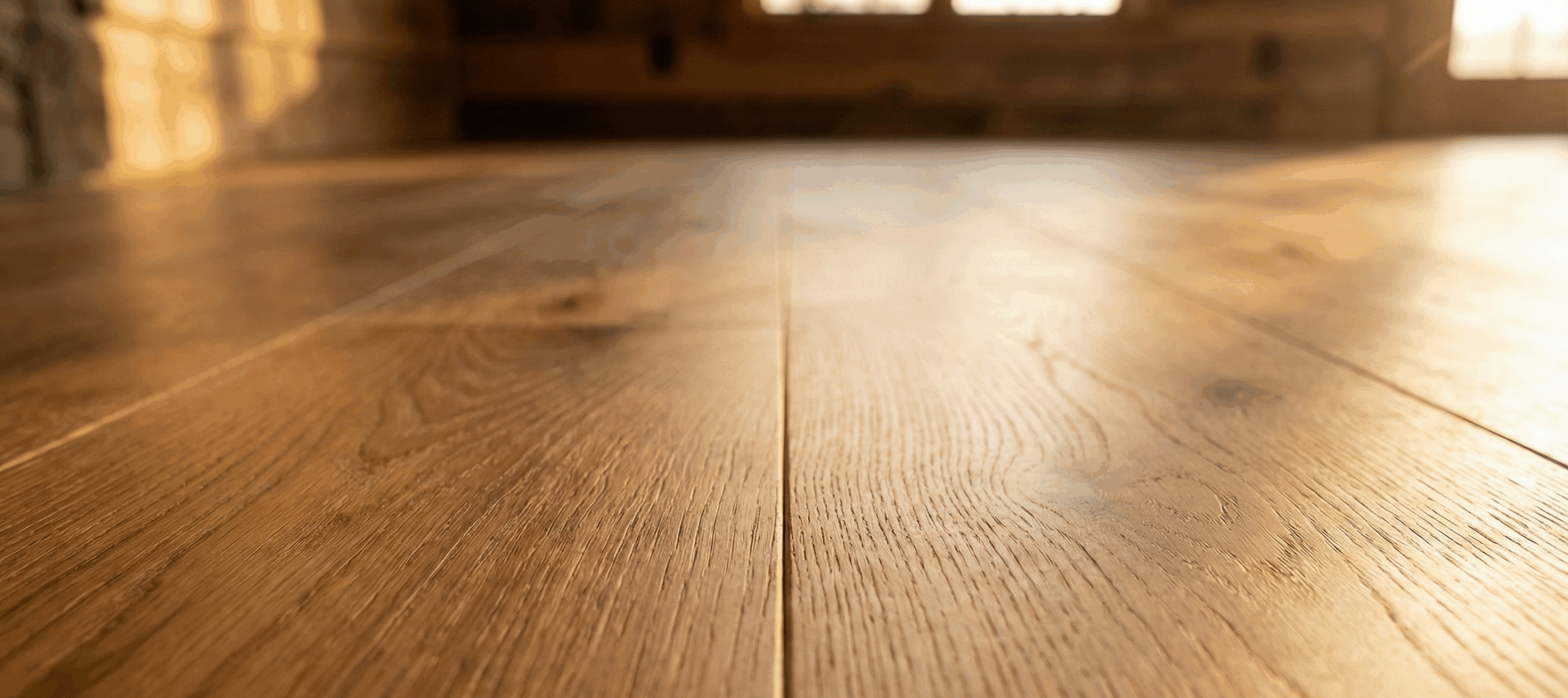
Tongue-and-groove (T&G) is a joint: a tongue on one edge and a matching groove on the other. The installed look — V-joint, T&G Nickel Gap, or a beaded show face — is a separate decision. Installed face width comes from the selected product’s current configuration, not a generic table on this page.
Joint construction vs installed appearance
The joint holds boards together. The face-edge treatment creates the shadow line you see after install. Two boards can share a T&G joint and still look different once they are in the wall or ceiling.
V-joint
A chamfer on the face edges meets at the joint and reads as a V-shaped reveal. Common on ceilings, walls, and porch work. The joint is still tongue-and-groove.
T&G Nickel Gap
Nickel Gap names the installed shadow line, not one universal joint. Timberline T&G Nickel Gap still uses a tongue and groove. A shiplap or rabbeted Nickel Gap pattern is a different family — see overlap siding profiles.
Flooring match
Flooring T&G is milled for a floor surface, not as a wall-paneling look. Current Yellow Pine flooring faces live on the Arkansas Yellow Pine planner. This page does not publish a second flooring estimator.
Beaded 1 Side / V-Joint reverse
One reversible board with different show faces: a beaded treatment on one side and a V-joint treatment on the reverse. A bead is a milled face detail, not a row of raised bumps. Exact bead geometry is confirmed on the current product or planner — this page does not publish a cross-section.
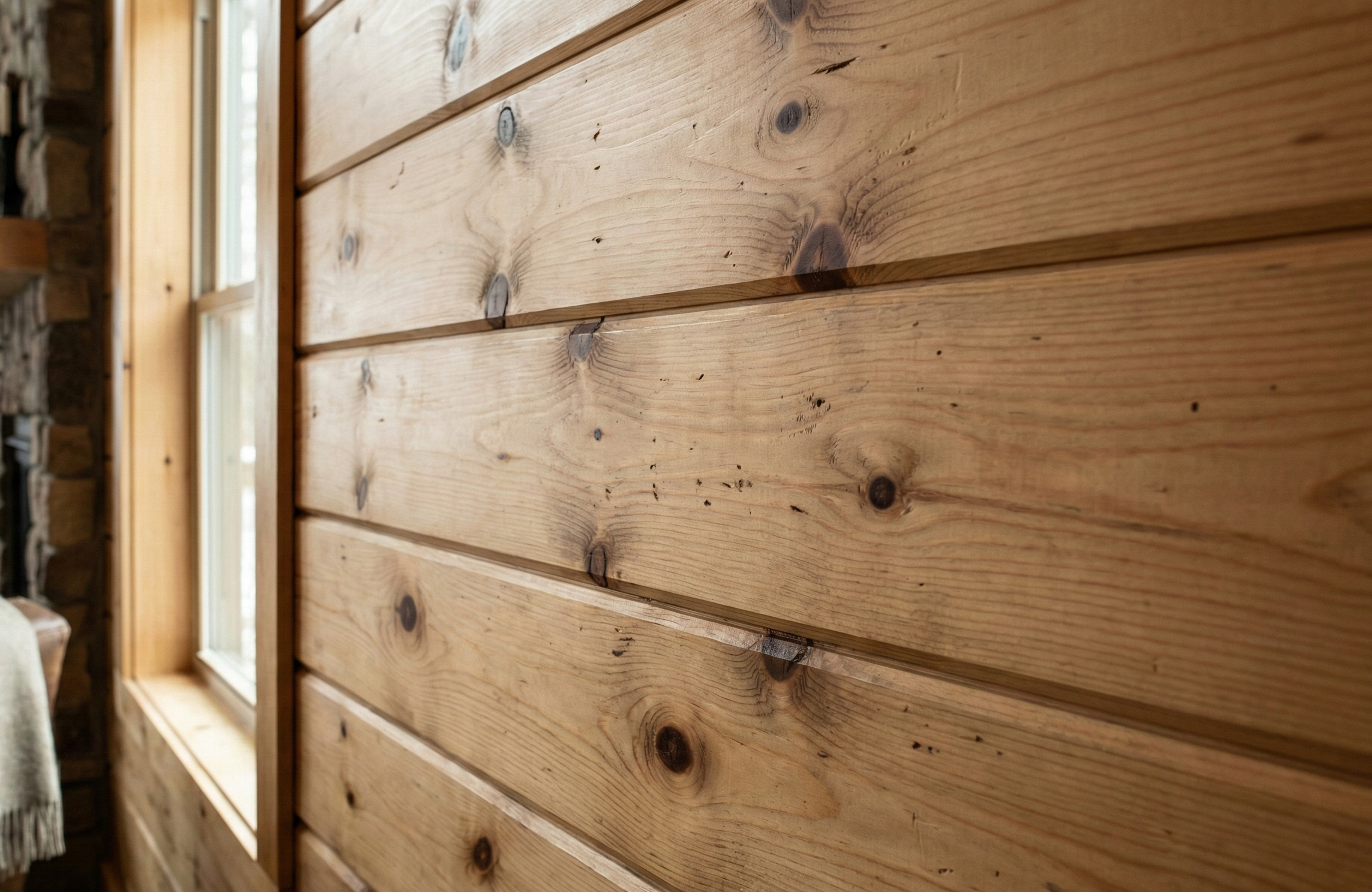
Installed appearance photo from the Timberline library. Not a mill drawing, species sample promise, or exact-to-scale section.
Where to plan coverage
Find current options and confirmed installed coverage widths on the species pages:
- Eastern White Pine for paneling, ceilings, and related T&G.
- Western Red Cedar and Cypress when the species pages list the profile you need.
- Arkansas Yellow Pine for flooring T&G and other current Yellow Pine applications.
Related applications
Choose the job first, then the mill profile: ceilings and wall paneling, covered porch ceilings, siding and trim, or solid wood flooring.