Where Cedar works well
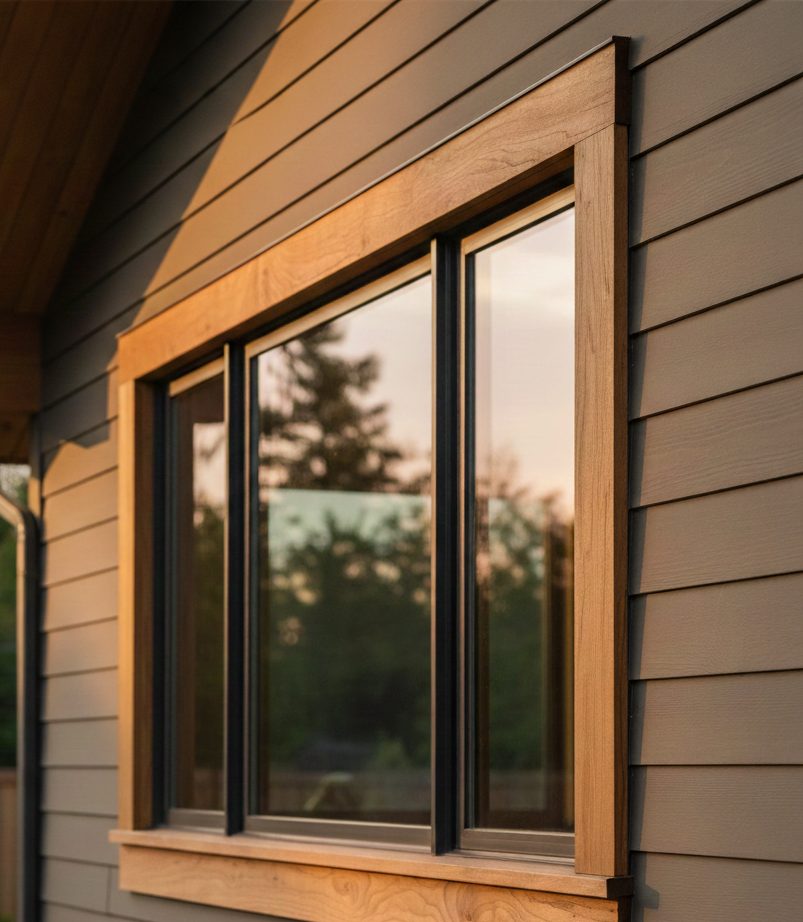
Western Red Cedar is a natural fit for siding, trim, boards, fencing, and other exterior or interior details. Shakes can be requested as part of a quote. Decking is not the primary offering on this page, so start with the profile and application you have in mind.
Appearance and profiles
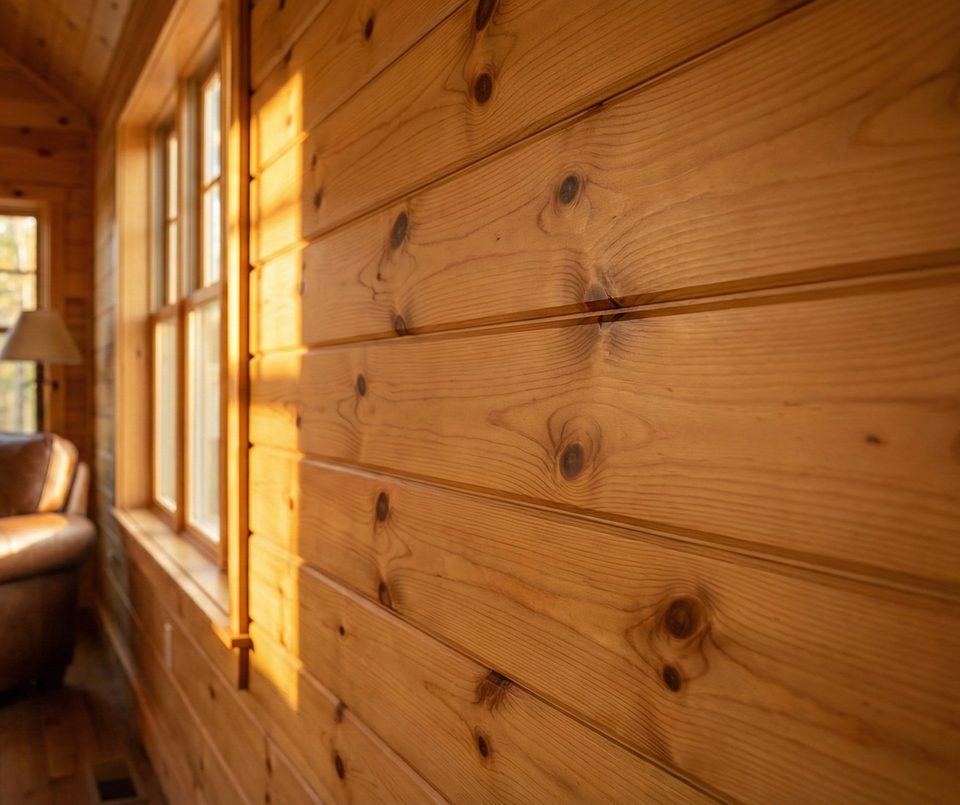
Cedar heartwood often ranges from warm reddish tones to chocolate-brown. You can finish the boards to hold their color or allow them to weather naturally. Choose the profile that suits the building, then confirm the grade, face, and quantity with your quote.
V-Groove
V-groove show face. Reverse is square. T&G or Shiplap joining.
Sizes and installed coverage
- 1x4
— 3 in installed coverage
- 1x6
— 5 in installed coverage
- 1x8
— 6.75 in installed coverage
- 1x10
— 8.5 in installed coverage
- 1x12
— 11.125 in installed coverage
- 5/4x4
— 3.5 in installed coverage
- 5/4x6
— 5 in installed coverage
- 5/4x8
— 6.75 in installed coverage
- 5/4x10
— 9.25 in installed coverage
- 5/4x12
— 11.25 in installed coverage
V-Groove / 1 Side Beaded
One board, two show faces: a bead on one side and a V-groove on the reverse.
Sizes and installed coverage
- 1x4
— 3 in installed coverage
- 1x6
— 5 in installed coverage
- 1x8
— 6.75 in installed coverage
- 1x10
— 8.5 in installed coverage
- 1x12
— 11.125 in installed coverage
- 5/4x4
— 3.5 in installed coverage
- 5/4x6
— 5 in installed coverage
- 5/4x8
— 6.75 in installed coverage
- 5/4x10
— 9.25 in installed coverage
- 5/4x12
— 11.25 in installed coverage
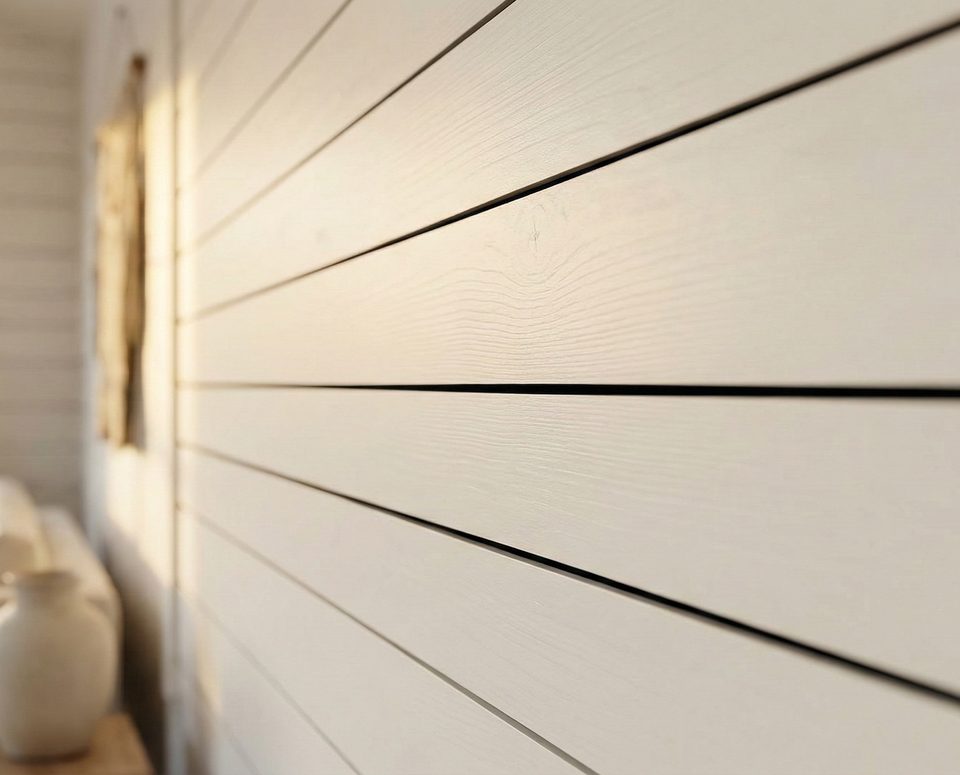
Nickel Gap
Coplanar boards with a consistent 1/8-inch square reveal. T&G or Shiplap joining.
Sizes and installed coverage
- 1x4
— 3 in installed coverage
- 1x6
— 5 in installed coverage
- 1x8
— 6.75 in installed coverage
- 1x10
— 8.5 in installed coverage
- 1x12
— 11.125 in installed coverage
- 5/4x4
— 3.5 in installed coverage
- 5/4x6
— 5 in installed coverage
- 5/4x8
— 6.75 in installed coverage
- 5/4x10
— 9.25 in installed coverage
- 5/4x12
— 11.25 in installed coverage
Channel Rustic
Same mill family as nickel gap with a wider show-face channel. Confirm overlap when quoting.
Sizes and installed coverage
- 1x4
— request by linear foot; confirm coverage
- 1x6
— request by linear foot; confirm coverage
- 1x8
— request by linear foot; confirm coverage
- 1x10
— request by linear foot; confirm coverage
- 1x12
— request by linear foot; confirm coverage
- 5/4x4
— request by linear foot; confirm coverage
- 5/4x6
— request by linear foot; confirm coverage
- 5/4x8
— request by linear foot; confirm coverage
- 5/4x10
— request by linear foot; confirm coverage
- 5/4x12
— request by linear foot; confirm coverage
Bevel
Plain bevel / clapboard overlap. Weather exposure varies. Confirm the exposure when quoting.
Sizes and installed coverage
- 1x4
— request by linear foot; confirm coverage
- 1x6
— request by linear foot; confirm coverage
- 1x8
— request by linear foot; confirm coverage
- 1x10
— request by linear foot; confirm coverage
- 1x12
— request by linear foot; confirm coverage
- 5/4x4
— request by linear foot; confirm coverage
- 5/4x6
— request by linear foot; confirm coverage
- 5/4x8
— request by linear foot; confirm coverage
- 5/4x10
— request by linear foot; confirm coverage
- 5/4x12
— request by linear foot; confirm coverage
Tight Fit
Flush / tight installed look. T&G or Shiplap joining.
Sizes and installed coverage
- 1x4
— 3 in installed coverage
- 1x6
— 5 in installed coverage
- 1x8
— 6.75 in installed coverage
- 1x10
— 8.5 in installed coverage
- 1x12
— 11.125 in installed coverage
- 5/4x4
— 3.5 in installed coverage
- 5/4x6
— 5 in installed coverage
- 5/4x8
— 6.75 in installed coverage
- 5/4x10
— 9.25 in installed coverage
- 5/4x12
— 11.25 in installed coverage
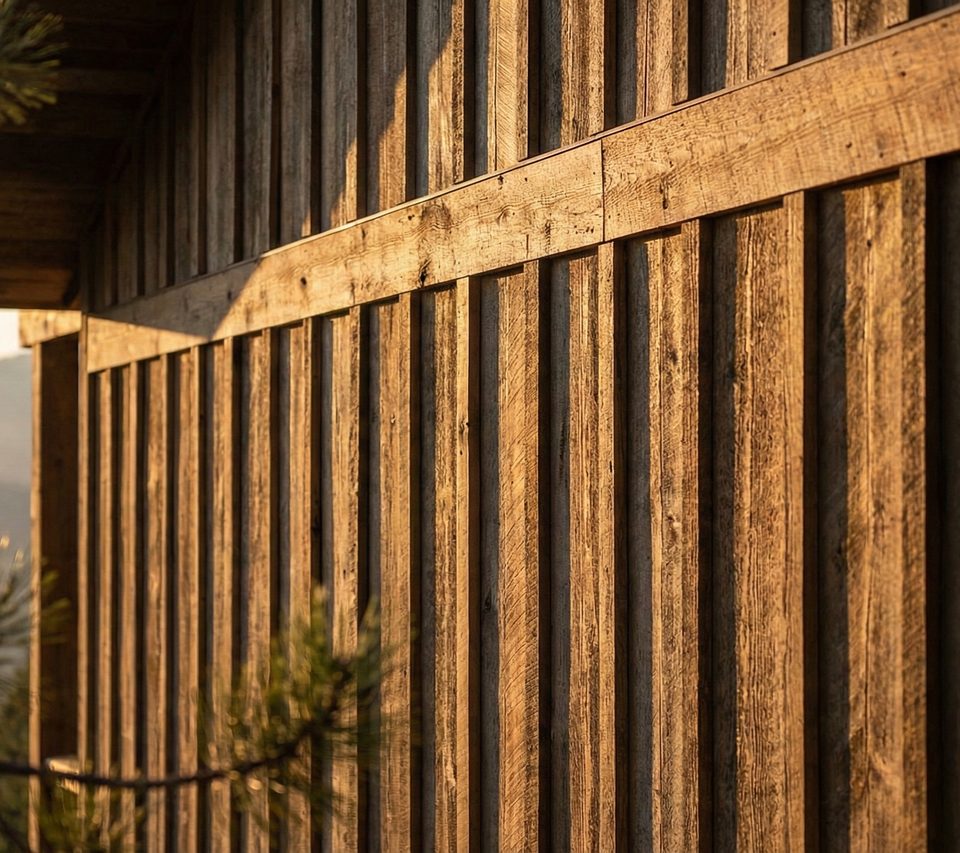
Board and Batten
An assembly, not an edge profile: wide boards with a gap, and battens covering the joints. Choose surface finish, not T&G or shiplap.
Sizes and installed coverage
- 1x4
— request by linear foot; confirm coverage
- 1x6
— request by linear foot; confirm coverage
- 1x8
— request by linear foot; confirm coverage
- 1x10
— request by linear foot; confirm coverage
- 1x12
— request by linear foot; confirm coverage
S4S
Surfaced four sides. Square-edge boards. Enter linear feet to quote.
Sizes and installed coverage
- 1x4
— request by linear foot; confirm coverage
- 1x6
— request by linear foot; confirm coverage
- 1x8
— request by linear foot; confirm coverage
- 1x10
— request by linear foot; confirm coverage
- 1x12
— request by linear foot; confirm coverage
- 5/4x4
— request by linear foot; confirm coverage
- 5/4x6
— request by linear foot; confirm coverage
- 5/4x8
— request by linear foot; confirm coverage
- 5/4x10
— request by linear foot; confirm coverage
- 5/4x12
— request by linear foot; confirm coverage
S1S2E
Surfaced one side, two edges. Square-edge boards. Enter linear feet to quote.
Sizes and installed coverage
- 1x4
— request by linear foot; confirm coverage
- 1x6
— request by linear foot; confirm coverage
- 1x8
— request by linear foot; confirm coverage
- 1x10
— request by linear foot; confirm coverage
- 1x12
— request by linear foot; confirm coverage
- 5/4x4
— request by linear foot; confirm coverage
- 5/4x6
— request by linear foot; confirm coverage
- 5/4x8
— request by linear foot; confirm coverage
- 5/4x10
— request by linear foot; confirm coverage
- 5/4x12
— request by linear foot; confirm coverage
Pre-Grooved
Decking with clip slots on the edges. Use the installed face, not the nominal width, when planning coverage.
Sizes and installed coverage
- 1x4
— 3.5 in installed coverage
- 1x6
— 5 in installed coverage
- 5/4x4
— 3.5 in installed coverage
- 5/4x6
— 5 in installed coverage
- 1x8
— request by linear foot; confirm coverage
- 1x10
— request by linear foot; confirm coverage
- 1x12
— request by linear foot; confirm coverage
- 5/4x8
— request by linear foot; confirm coverage
- 5/4x10
— request by linear foot; confirm coverage
- 5/4x12
— request by linear foot; confirm coverage
Dimensions above are nominal request sizes. Installed coverage is the width covered after adjoining boards are fitted together. Confirm your profile, grade, lengths, and availability with the quote.
Grades and appearance
Western Red Cedar product listings include Clear, Std& Btr. grades. The grade depends on the selected product and dimensions. Include the grade from your plans or the product you want to match. We will confirm the grade, dimensions, and availability with your quote.
Bevel siding: 1x8. Weather exposure varies. Confirm the exposure when quoting.
Channel rustic: request option. Overlap reduces exposed face. Confirm when quoting.
S4S / S1S2E boards and timbers: common 1x and 2x, 4x4–8x8. Trim, posts, and boards. Not coverage-calculated here.
Fence pickets and balusters: 1x4, 2x2. Ask when quoting.
Shakes. Not a published request-option list. Ask when quoting.